48 Laws of Dating : Think Like a Man Synopsis

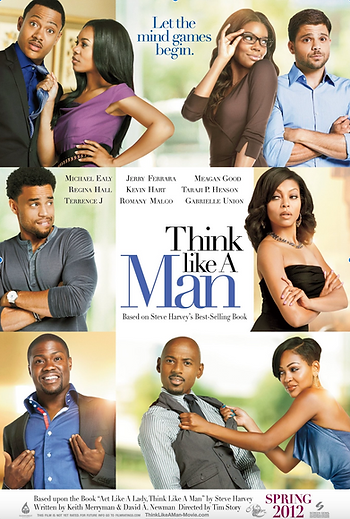
Modern dating often feels like a chess match disguised as romance. Everyone is gathering information. Everyone is protecting ego. Everyone is trying not to lose. The 2012 romantic comedy Think Like a Man, inspired by Steve Harvey’s bestselling book Act Like a Lady, Think Like a Man, takes this tension and turns it into entertainment.
But underneath the humor is something deeper: a blueprint of archetypes that still dominate modern relationships. If you look past the jokes, the movie isn’t just about men vs. women.
It’s about power.
It’s about fear.
It’s about attachment.
If you’re serious about mastering dating dynamics, you need to understand the patterns being played out.
Now let me say something that might ruffle feathers.
If I’m being honest, Steve Harvey’s book didn’t just explain the game — it changed it. It gave women language for male strategy. It pulled the curtain back on behaviors men often used quietly: delayed commitment, strategic silence, leveraging sex, avoiding labels. Once those tactics were exposed, the dynamic shifted. Awareness creates leverage.
But here’s where things get complicated. When strategy becomes widespread, relationships can turn transactional. Instead of:
“How do I build with this person?”
it becomes:
“How do I outmaneuver them?”
Some men felt exposed. Some women felt empowered. Both sides became more calculated.
The issue was never women “being on par” with men. The real disruption was this, the information equalized the playing field and when power balances shift, tension follows. The deeper problem isn’t that women learned strategy. It’s that many people — men and women — adopted strategy without emotional maturity.
Strategy without self-awareness becomes manipulation. Power without regulation becomes control. Knowledge without accountability becomes ego armor. The film shows this clearly. The moment both sides start “playing the book,” intimacy drops. Authenticity shrinks. The connection becomes a contest. That’s the hidden lesson. The archetypes in the story — The Player, The Ring-Seeker, The Independent Woman, The Non-Committer — are not villains. They’re protective adaptations. Each is guarding against something:
Rejection
Abandonment
Loss of freedom
Financial instability
Emotional exposure
The book didn’t ruin dating. It revealed the mechanics.
What ruins dating is when we use awareness to win instead of to evolve. The real mastery isn’t learning how the other side thinks. It’s learning why you react the way you do. Once you understand your own archetype — your own fear — you stop playing chess.
You start building partnership.
The 6 Male Archetypes

The male archetypes popularized through Think Like a Man, inspired by Steve Harvey’s Act Like a Lady, Think Like a Man, are not rigid personality types. They are adaptive identities men adopt in response to fear, ambition, attachment style, and social pressure.
Each archetype answers one underlying question:
“What must I protect to survive in love?”
Understanding them isn’t about labeling men. It’s about recognizing the psychological strategy operating beneath the behavior.
1. The Dreamer - "Respect my vision."
This man prioritizes purpose and future success. He wants to be admired for his ambition and believed in before the results arrive. His identity is tied to potential. Ambitious but financially unstable. Passion-driven. Needs belief more than pressure.
Protects: His sense of worth
Fears: Being seen as inadequate
Evolves into: The Builder
2. The Mama’s Boy- “Don’t replace what made me safe.”
His emotional blueprint was formed early, and he hasn’t fully separated from it. He seeks familiarity and comfort over expansion. Emotionally tethered to his mother. Avoids full emotional separation.
Protects: Emotional security
Fears: Disappointing his primary attachment figure
Evolves into: The Integrated Man
3. The Player - "Freedom is Power."
He thrives on options. Desirability equals value. Commitment feels like losing leverage.
Charismatic. Non-committal. Thrives on optionality.
Protects: Autonomy and ego
Fears: Losing control
Evolves into: The Intentional Man
4. The Non-Committer- "Lets not rush permanence."
He enjoys intimacy without structure. Labels feel heavy. Undefined feels safer.
Protects: Flexibility
Fears: Irreversible decisions
Evolves into: The Decisive Partner
5. The Happily Divorced Man- "I've Paid the price for before."
He’s experienced deep commitment — and deep consequence. He values connection but guards against repeating loss. Burned by marriage. Overcorrects by avoiding it again.
Protects: Emotional and financial stability
Fears: Rebuilding from heartbreak
Evolves into: The Recalibrated Leader
6. The Settled-Down Man - "Alignment over ego."
He’s integrated ambition, responsibility, and emotional awareness. He wants partnership, not performance.
Protects: His future and legacy
Fears: Choosing wrong after investing deeply
Evolves into: The Secure Partner
The Core Insight
These archetypes aren’t fixed categories — they are stages of development. A man may move between them depending on:
Age
Financial stability
Emotional regulation
Past trauma
The partner he’s with
The mistake in modern dating is asking:
“Which one is he?”
The better question is:
“Is he aware of the archetype he’s operating from?”
Because awareness determines growth, and growth determines whether love becomes a power struggle — or a partnership.
The 6 Female Archetypes

Just like the men in Think Like a Man, the women represent adaptive dating identities — not fixed personalities. These archetypes aren’t about stereotypes. They’re about protection.
Each one answers the question:
“What must I secure to feel safe in love?”
Understanding them isn’t about judgment. It’s about recognizing the emotional strategy beneath the behavior.
1. The Supporter- " I believe you until you believe in yourself".
She invests emotionally in a man’s potential. She sees greatness early and wants to help cultivate it. Her love language is loyalty and encouragement.
Protects: Connection and shared vision
Fears: Being unappreciated or left behind after building
Evolves into: The Empowered Partner
2. The Controller- "If I manage, I won't lose it."
Strategic and assertive, she believes security comes from influence. She gathers information, sets standards, and positions herself carefully.
Protects: Stability and certainty
Fears: Chaos or unpredictability
Evolves into: The Collaborative Leader
3. The Independent Woman- "I don't need you, I chose you."
Self-sufficient and capable, she built her life without relying on anyone. Independence is both strength and armor.
Protects: Autonomy
Fears: Dependency or vulnerability
Evolves into: The Secure Equal
4. The Ring-Seeker - "Clarity is respect."
She dates with intention. Marriage, structure, and defined commitment matter deeply. Time is valuable, and she doesn’t want to waste it.
Protects: Her future and biological timeline
Fears: Being strung along
Evolves into: The Intentional Bride
5. The Rehabilitator- "Love can fix him."
She is drawn to potential, especially in wounded men. She sees pain and responds with compassion. Being needed gives her purpose.
Protects: Her identity as the healer
Fears: Being unnecessary or replaceable
Evolves into: The Boundaried Nurturer
6. The Mature Partner- "Alignment over performance."
She has integrated self-awareness, standards, and emotional intelligence. She values peace over drama and growth over validation.
Protects: Her peace
Fears: Settling after doing the work
Evolves into: The Secure Partner
The Core Insight
These archetypes are not labels. They are stages of emotional development. A woman may be:
The Independent Woman in her career
The Supporter in love
The Controller when triggered
The Mature Partner when regulated
The wrong question is:
“Which archetype is she?”
The better question is:
“Is she operating from fear — or from wholeness?”
Because awareness determines evolution. Evolution determines whether love feels like survival… Or partnership.
The Deeper Lesson: Strategy vs. Emotional Maturity
The film’s surface message is controversial:
“Men are simple. They show you who they are early. Believe them.”
But the deeper truth is this:
When people feel unsafe, they strategize.
When people feel secure, they communicate. The entire conflict in the movie exists because both sides are trying to win instead of trying to understand. This is where most modern relationships fail. Not because of lack of attraction. Not because of lack of compatibility. But because of unexamined archetypes operating from fear.
Trauma-Informed Insight: Why These Archetypes Exist
From a behavioral and nervous-system lens, these patterns are protective adaptations:
The Player protects himself from engulfment.
The Ring-Seeker protects herself from abandonment.
The Independent Woman protects herself from dependency.
The Non-Committer protects himself from permanence.
The Rehabilitator protects her identity through being needed.
These aren’t flaws, They are survival strategies. Survival strategies don’t build secure partnerships. Awareness does.
How This Applies to Modern Dating
If you’re building intentional relationships — whether through coaching, conversation cards, or deeper frameworks — the real question isn’t:
“Which archetype are they?”
The better question is:
“Which archetype am I operating from when I feel triggered?”
Because the mature partner archetype isn’t about perfection.
It’s about self-regulation.
It’s about accountability.
It’s about choosing connection over control.
Final Thought
The movies picture perfect epiphanies shows up as best case scenarios. But this is real life, it doesn't always happen in this way. Sometimes the epiphanies happen too late and leaves internal scars impeding forward progression. The book didn’t ruin dating.
It revealed the mechanics.
What disrupts dating isn’t awareness — it’s using awareness to compete instead of connect. The real mastery isn’t learning how the other side thinks.
It’s learning why you react the way you do. Once you understand your archetype — your fears, your attachment style, your ego defenses — you stop playing chess.

You stop strategizing for control. You stop posturing for leverage.
You stop performing power, and you start building alignment.
That’s the difference between manipulation and maturity. Between attraction and attachment.
Between chemistry and compatibility. If you’re serious about evolving beyond surface-level advice and stepping into intentional partnership, this is exactly why we created 48 Laws of Dating.
Not to teach you how to “win” someone.
But to teach you how to understand power, regulate emotion, set standards, and recognize patterns before they cost you time, peace, or purpose. In modern dating, the person who understands the laws isn’t the one who controls the game. It’s the one who no longer needs to play it.

Comments